
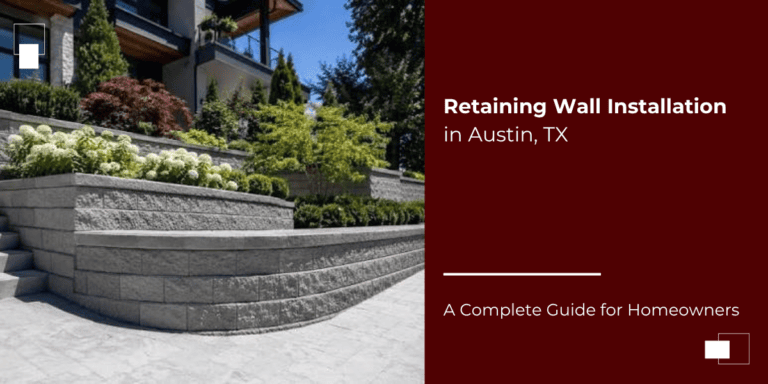
Retaining walls serve an essential purpose within landscaping by allowing homeowners to gain control over their property with slopes and protect the garden space, patio area, or driveway from unwanted erosion caused by water flow and soil displacement. With Austin’s varying elevation levels and frequent rain showers, thoughtful planning becomes especially critical for a safe outcome. Retaining walls must be designed and built correctly to ensure stability while adding value and aesthetic appeal. Simply placing building materials against a slope won’t lead to successful outcomes. Before proceeding with the project, homeowners need to take several considerations into account.
1. Assessing Your Property Before Installation
Before constructing a retaining wall, it is essential to examine the slope, soil type, drainage, and problem areas prone to erosion or shifting. For instance, in Austin, different homes have distinct landscapes and, therefore, should consider distinct approaches in their retaining wall construction. The professionals will determine whether extra support, drainage, or unique foundational needs need to be incorporated into the building process. It is advisable to also consider the impact on the structures, trees, fences, walkways, and plants around the intended wall location. By looking at the wall location closely, one can avoid undesirable future maintenance and make the most excellent use of space.
2. Choosing the Right Retaining Wall Material
In contrast, natural stones offer a distinct appeal that enhances the elegance of the homestead. On the other hand, brick is an exquisite choice for those willing to invest more in their retaining walls, while poured concrete has a modern and strong feel to it. It is essential to pick materials that are durable and fit in well with one’s home, considering the drainage and landscape features of the property. Experienced contractors will advise depending on the home’s character, surrounding landscape, drainage, and the height of the wall since these aspects define the material’s needs. Consequently, one should always bear in mind the installation, maintenance, and overall budget requirements for the selected material.
3. Understanding Drainage and Soil Support
The accumulation of water against your retaining wall will put extra pressure on the structure and cause it to shift and crack over time. To ensure proper drainage around your retaining wall, there are several solutions you could consider. Drainage pipes, backfill material, or other systems can divert excess water from around the retaining wall. Soil preparation is equally critical in any retaining wall project since the structure relies on a solid foundation. Uncompacted soil is one reason why settling occurs, which causes cracks and damage in retaining walls. Do not skimp on drainage to save money during construction.
4. Considering Austin’s Landscape and Local Requirements
The existing declivity of the landscape, frequency of extreme weather conditions, local vegetation, and soil structure all play a role in influencing the process. There are often local legal and property-specific restrictions, permitting regulations, and concerns related to underground utilities that may need to be taken into account. Property owners should always conduct a series of due diligence measures prior to wall installation instead of waiting for inspections by city officials or discovering utilities. One must consult local authorities in the field of construction to ensure the project is completed correctly and safely since qualified contractors know the idiosyncrasies of their area and can advise on specific installation needs.
The Finale
Installing a retaining wall system offers functional benefits and aesthetics for Austin properties, managing slopes, preventing erosion, and containing soil movements. But whether the installation process meets those objectives hinges heavily upon pre-construction factors such as thorough planning, choosing suitable materials, ensuring good drainage systems, preparing sound soil foundations, and conducting proper integration. Whether flattening out landscaping space, securing driveways, or improving slope management on your property, good planning is essential for successful retaining wall installation in Austin, TX.
